



Carey Tan’s Original Symphonic Concert Successfully Held at the Royal College of Music: Responding to War, Nature and the Age of Artificial Intelligence Through Music
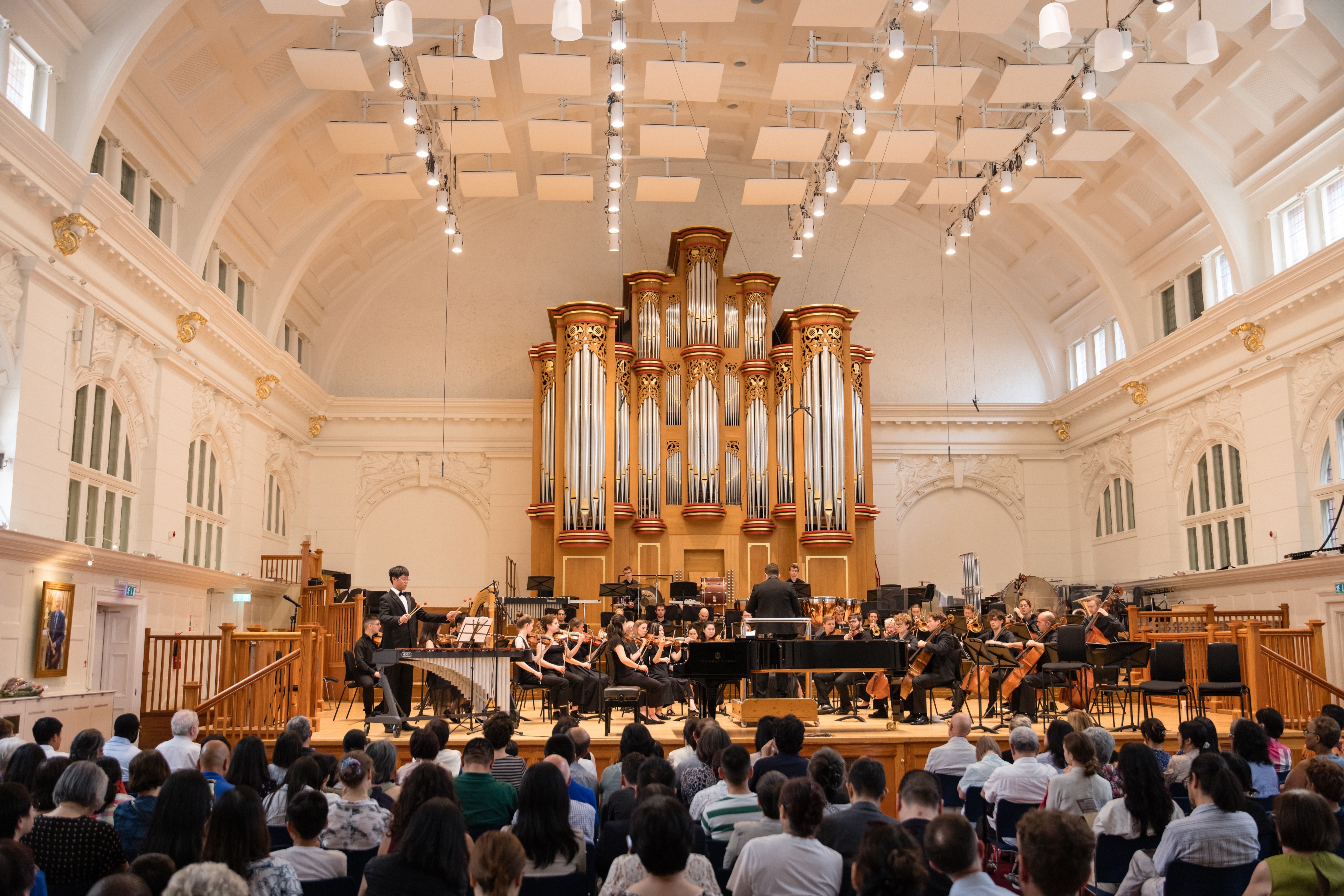
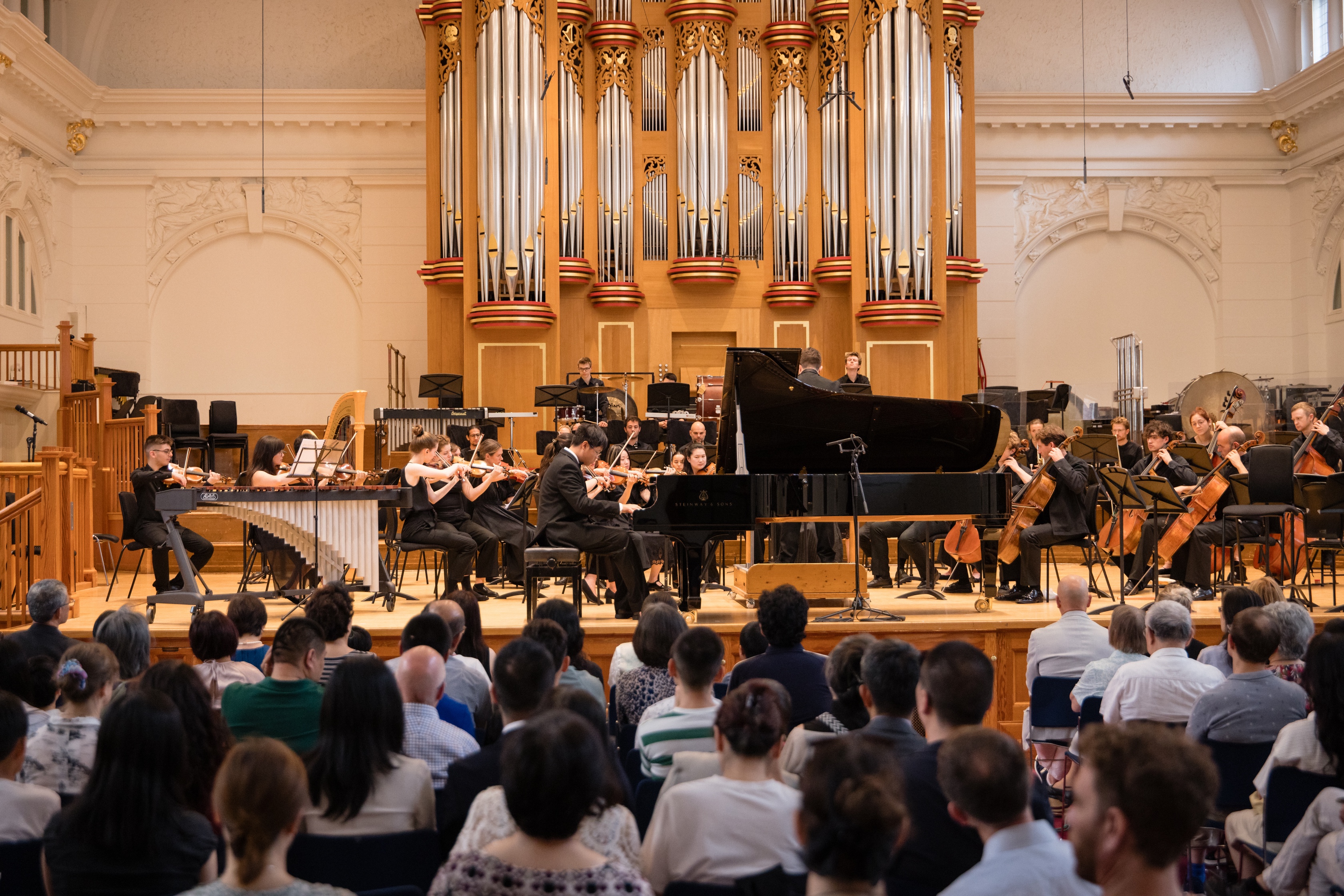
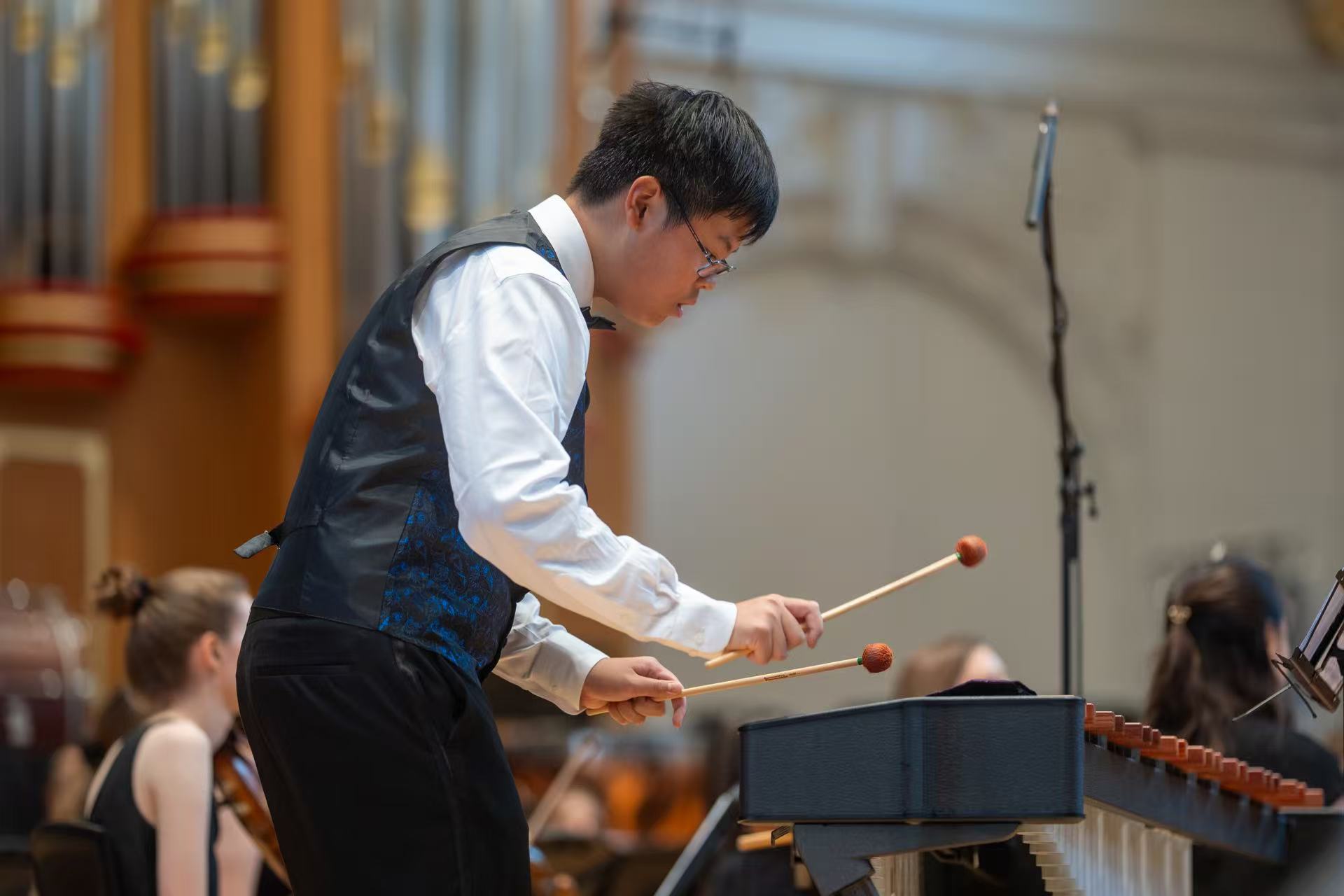
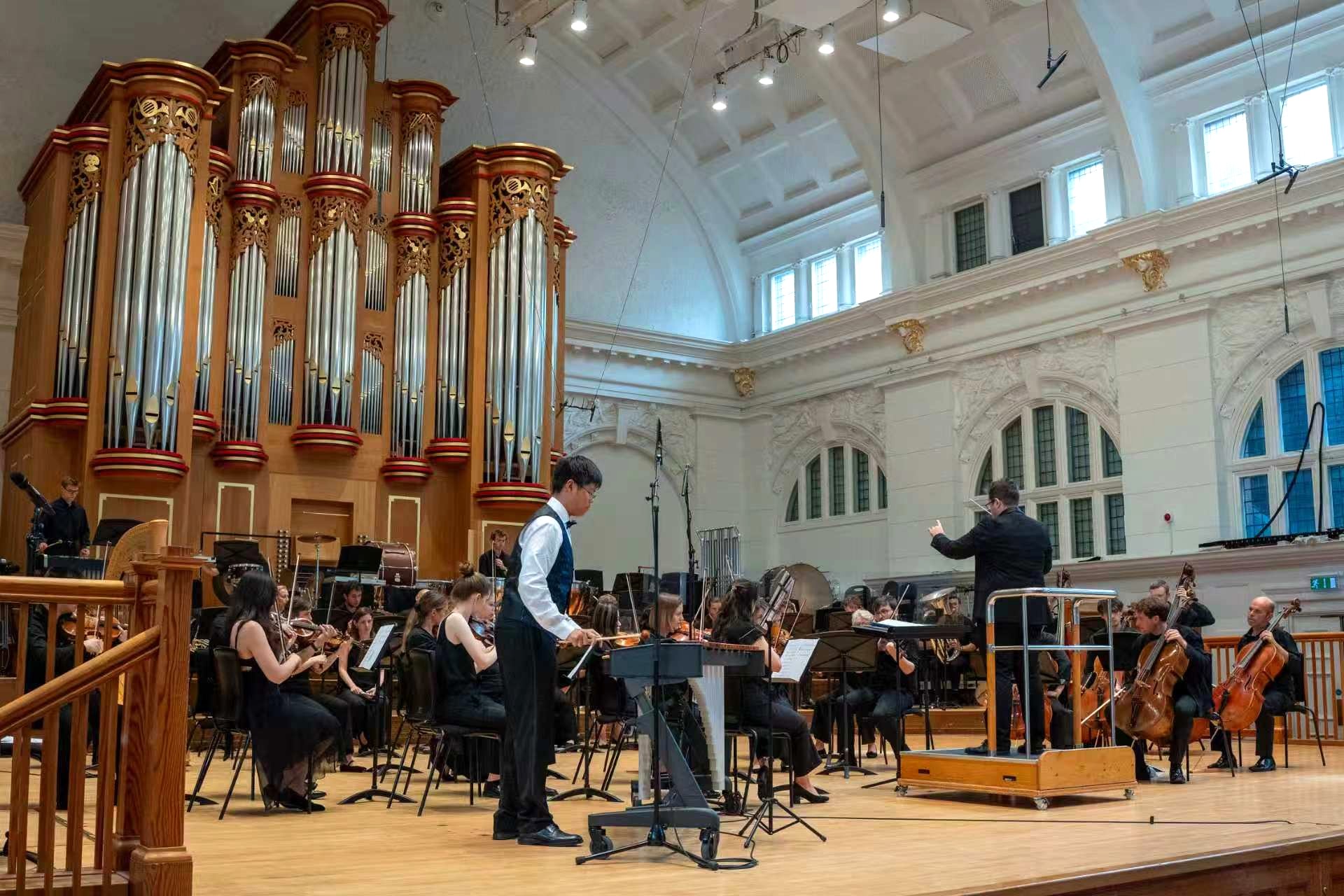
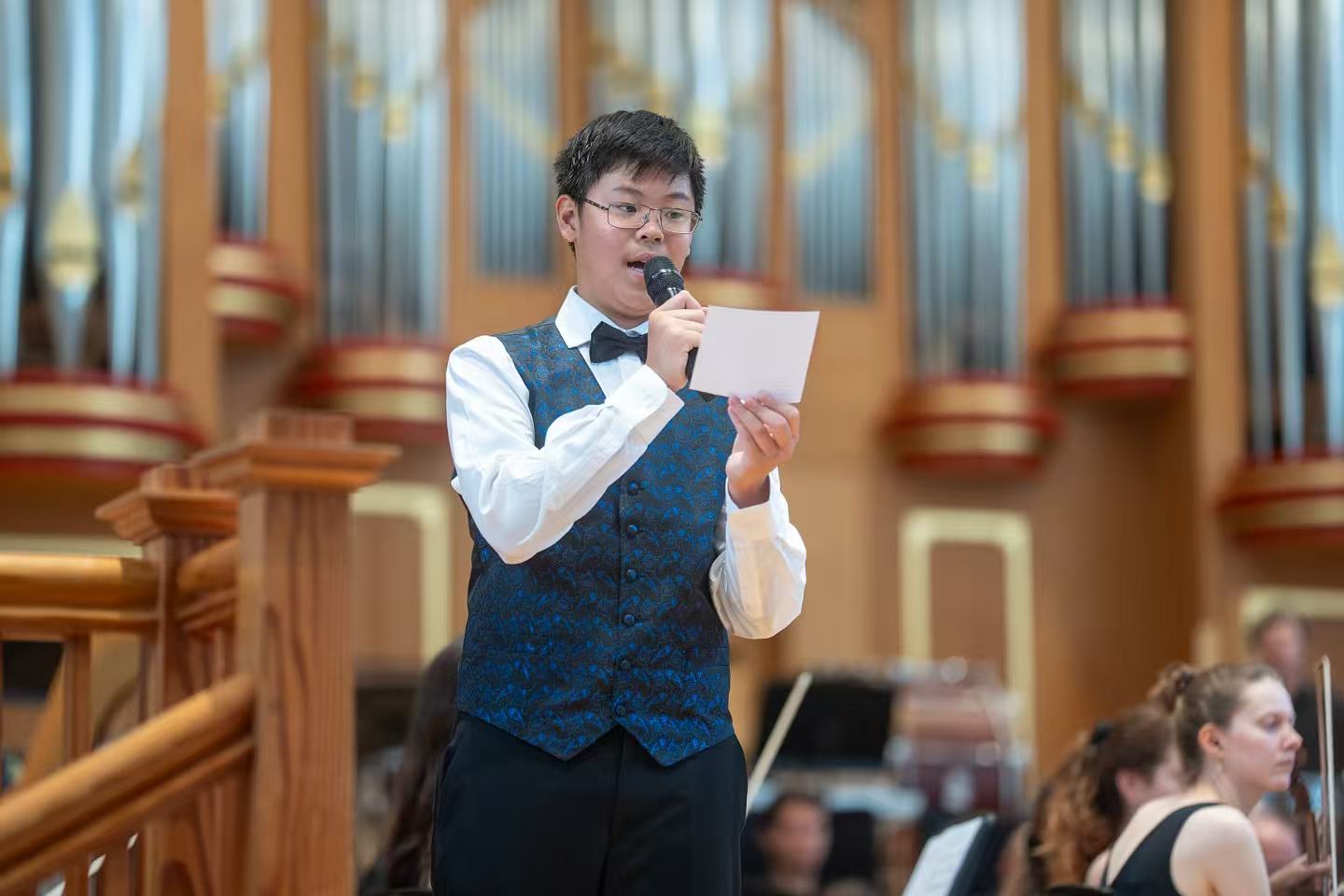
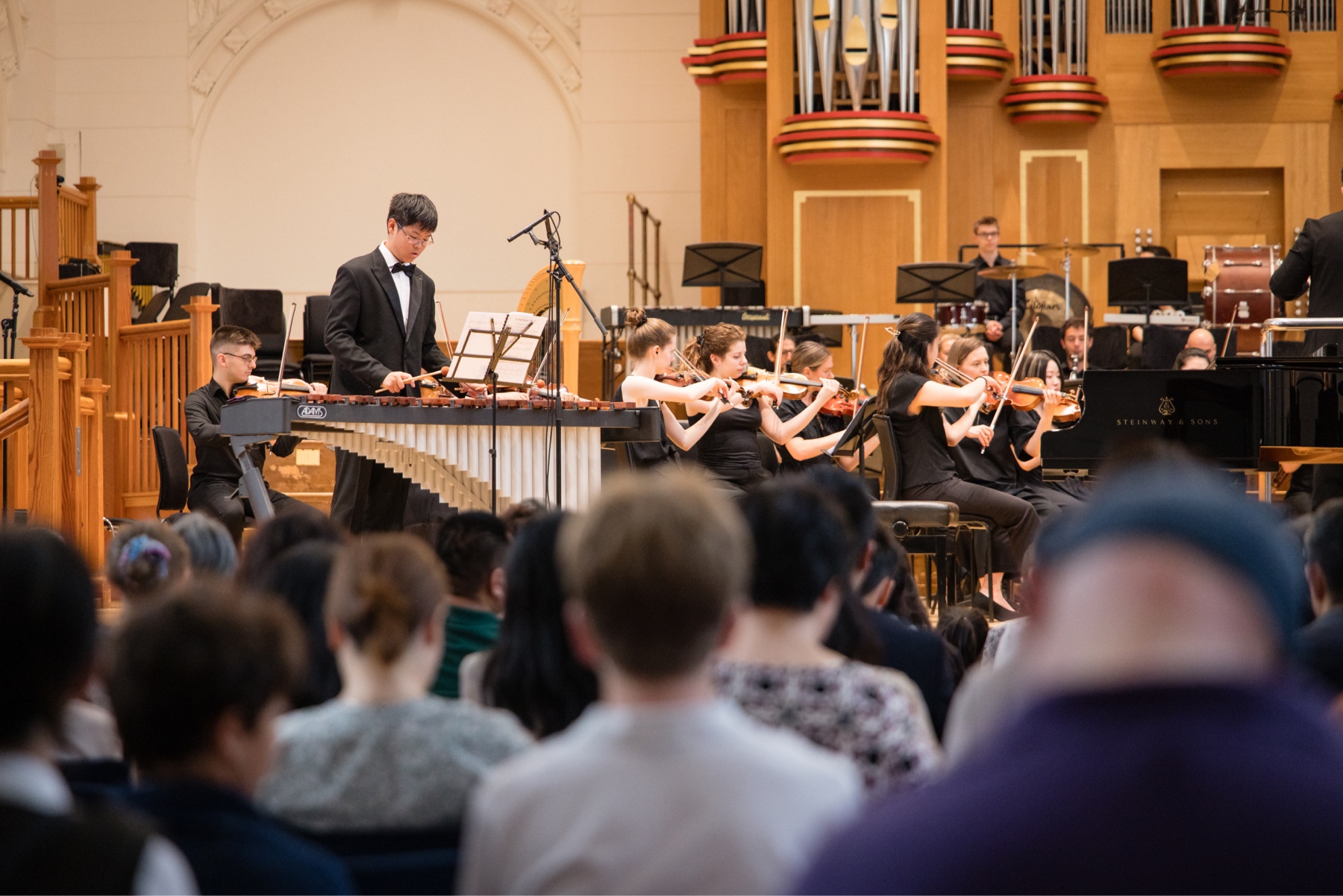
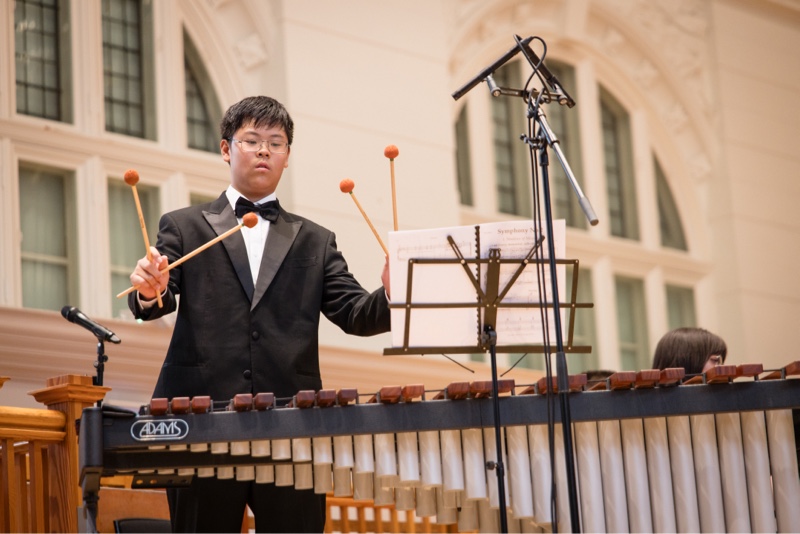
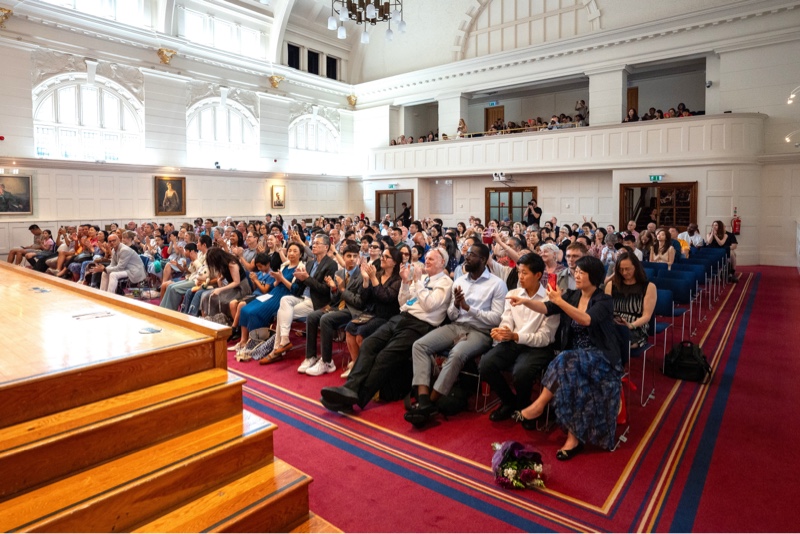
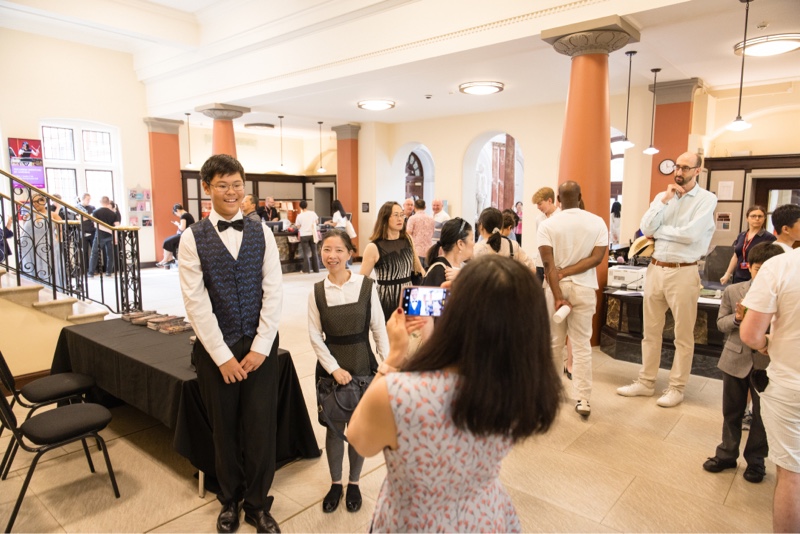
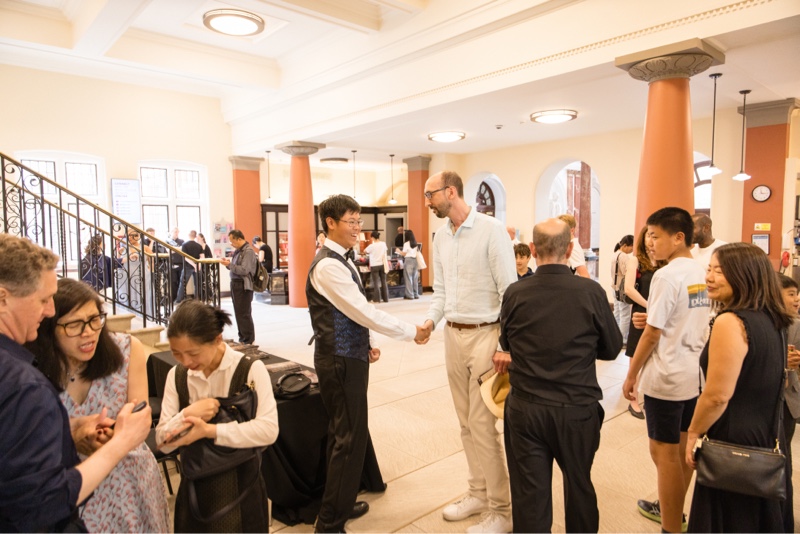
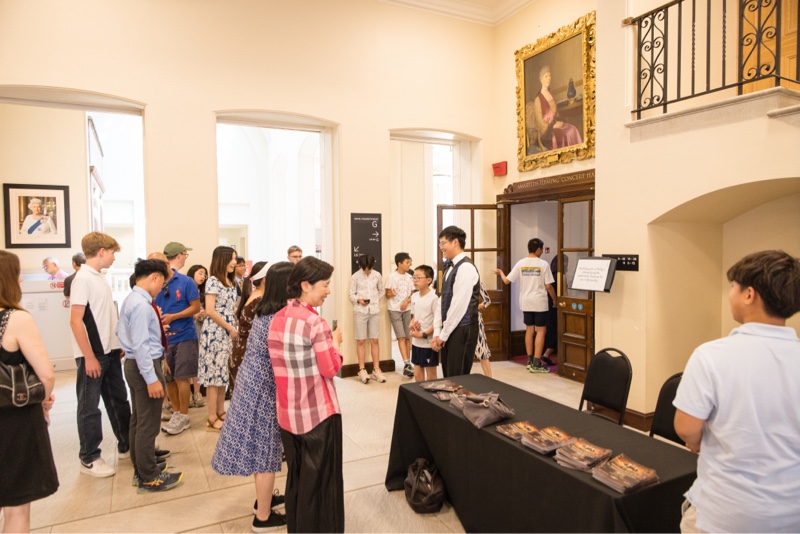
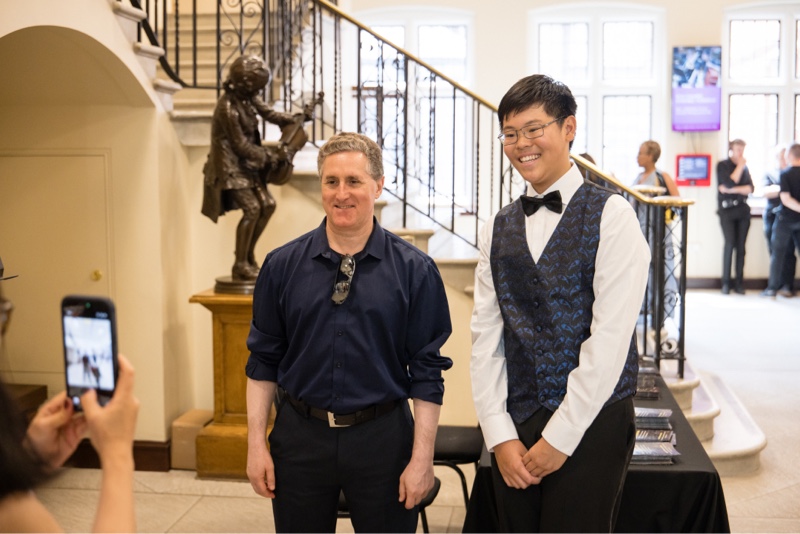
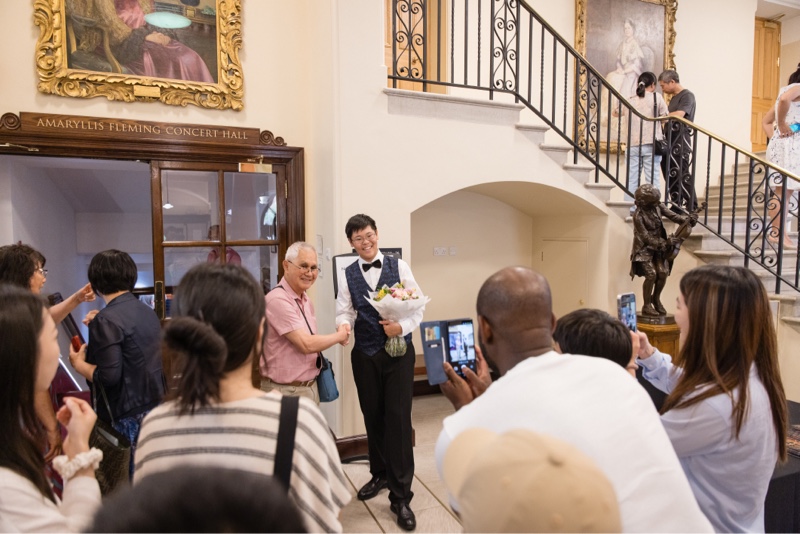
On 21 June 2026, 12-year-old composer Carey Tan presented a concert of his original symphonic works at the Royal College of Music in London. The two-hour concert was performed to a full hall. Carey was not only the composer of all the works performed, but also hosted the entire concert himself. He appeared on stage as pianist, marimba player within the orchestra, composer and narrator, guiding the audience into his symphonic world through music and words.
The concert was performed by the London City Philharmonic Orchestra under the baton of conductor Olsi Qinami. The programme brought together four large-scale original orchestral works composed by Carey between the ages of eight and twelve: Symphony No. 1, Four Seasons in Summer Fields, Piano Concerto No. 1, The Explorers, Symphony No. 2, The Cries of War, and Symphony No. 3, The Rise and Fall of AI Humanity. Together, these works trace the development of Carey’s creative world from childhood memory towards broader themes of nature, exploration, war, technology and the future of humanity.
The concert opened with Piano Concerto No. 1, The Explorers, a work that takes the Pacific Ocean, the Sahara Desert and Mars as its three musical landscapes. It depicts the curiosity, solitude, courage and perseverance of human beings when facing extreme environments and unknown worlds. Carey himself performed as the piano soloist, giving the figure of the “explorer” a direct and vivid presence on stage. The following work, Symphony No. 2, The Cries of War, led the audience into a more serious human subject. Inspired by the pain caused by recent wars and conflicts around the world, the music does not simply portray the outward spectacle of battle, but seeks to reveal the wounds that war inflicts upon life, society and the human spirit, before moving through reflection towards peace, responsibility and hope.
In the second half, Symphony No. 1, Four Seasons in Summer Fields, written when Carey was eight, drew inspiration from his boarding-school life at Summer Fields School in Oxford. The piece intertwines the changing seasons of nature, school memories and childhood emotion. Though shorter in length, it carries a clear autobiographical quality and marks the beginning of his symphonic writing.
The final work, Symphony No. 3, The Rise and Fall of AI Humanity, became the most contemporary and intellectually charged part of the concert. This five-movement work centres on artificial intelligence, technological civilisation, human judgement and the ethics of the future. Through the movements “Construction of AI Civilisation”, “Dwelling in Reality”, “Nature and the Universe”, “Collapse and Destruction” and “Ashes and Echoes”, Carey constructs a symphonic fable about a future society. The work does not portray artificial intelligence merely as an external threat, but asks a deeper question: when efficiency, convenience and technological power continue to expand, can humanity still preserve wisdom, responsibility, emotion and spiritual freedom?
It was precisely through these works of differing character that many audience members felt Carey’s music possessed a quality distinct from many contemporary symphonic compositions. His works do not take obscurity, difficulty or conceptual abstraction as their defining features, nor do they fall into mere technical display. Instead, within comparatively complex orchestral structures, they retain clear narrative lines and a strong sense of visual imagination. Whether in the spatial journey of Piano Concerto No. 1, The Explorers from deep ocean to desert and finally to Mars, the emotional progression of Symphony No. 2, The Cries of War from trauma to reflection and hope, or the futuristic allegory of technological civilisation in Symphony No. 3, The Rise and Fall of AI Humanity, listeners could feel a clear sense of story, dramatic tension and emotional direction. Some described the works as combining the scale and structure of symphonic music with a cinematic sense of imagery and accessibility, allowing audiences to enter the music without needing specialist knowledge.
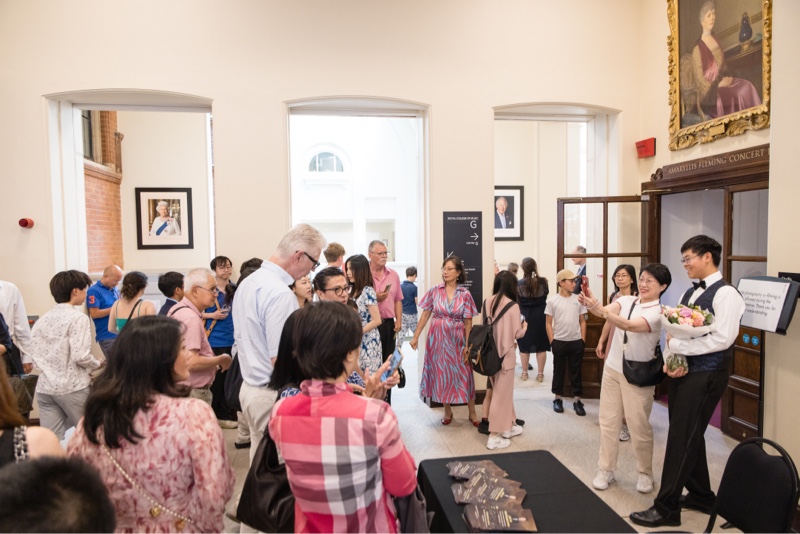
The third movement of Symphony No. 3, The Rise and Fall of AI Humanity, “Nature and the Universe”, became one of the most moving moments of the afternoon. Rather than relying on intense dramatic conflict, the movement places nature and the cosmos at the philosophical centre of the work through a musical language that is calm, expansive and profound. During the performance, many audience members were deeply touched by the solemnity and compassion in the music, with some moved to tears. After the concert, several listeners said that what struck them was not only the technical accomplishment of the music or the orchestral writing, but the sense that within the body of a 12-year-old child there seemed to exist a remarkably deep, sensitive and compassionate inner world.
This was also what made the concert so distinctive. It was not simply a showcase of youth and talent, but a musical act of thought and reflection. Carey does not use symphonic music merely as a display of technique or personal ability; instead, he treats composition as a way to understand the world, question the times and express responsibility. From the childhood, nature and memory of Symphony No. 1, Four Seasons in Summer Fields, to the courage and curiosity of Piano Concerto No. 1, The Explorers; from the contemplation of suffering and peace in Symphony No. 2, The Cries of War, to the questions of technological ethics and humanity’s future in Symphony No. 3, The Rise and Fall of AI Humanity, his works are consistently guided by a clear spiritual core: how human beings may remain clear-minded, compassionate and hopeful amid disaster and progress, desire and responsibility, technology and nature.
Equally notable was Carey’s role as host. His spoken introductions were not simple announcements, but reflections offered from the perspective of the composer. Before each work, he explained its background, structural intention and inner meaning. He also spoke about the important role music has played in his own growth, describing it not merely as an extracurricular pursuit, but as a way of thinking, feeling and expressing ideas that ordinary words cannot always contain. Through composing and performing, he said, music had taught him patience, discipline, creativity, resilience and responsibility, while also strengthening the focus, structure and imagination that support his academic learning. His recent achievement of both the Eton College King’s Scholarship and Music Scholarship in 2026 further reflected, in his view, that academic study and music are not in competition with one another, but can nourish and strengthen each other.
As a result, what the audience encountered was not merely the music of a young composer, but a spiritual vision beyond his years: a young artist using mature musical language to touch upon questions that adults, too, must face.
In recent years, Carey Tan’s original works have received more than ten international composition awards, and have been performed on major European stages including the Musikverein in Vienna and the Berlin Philharmonie. The success of this concert at the Royal College of Music represented a concentrated presentation of his original orchestral works on the London stage, and also showed how a new generation of young creators may engage with the major questions of the contemporary world through a new musical language. For Carey Tan, 21 June 2026 was both an important milestone and a new beginning.
As the opening concert of Carey Tan’s 2026 summer performance series, this Royal College of Music concert also marked the beginning of his forthcoming international performance season. On 7 September, Carey will appear at Cadogan Hall in London with his brother Kevin Tan and the Philharmonia Orchestra in Brothers in Harmony: Where Classics Meet New Voices, conducted by Jeffrey Patterson. The concert will bring together Carey’s original symphonic works with major works from the classical concerto repertoire, with Kevin performing Beethoven’s Piano Concerto No. 5 “Emperor” and Rachmaninov’s Piano Concerto No. 2. The two brothers warmly look forward to sharing this special evening with audiences in London.