




International Awards
Gold Award in Original Composition, 2025 World Art Music Competition
Second Prize, Orchestra Category, 2026 Boston International Composition Competition
Movements
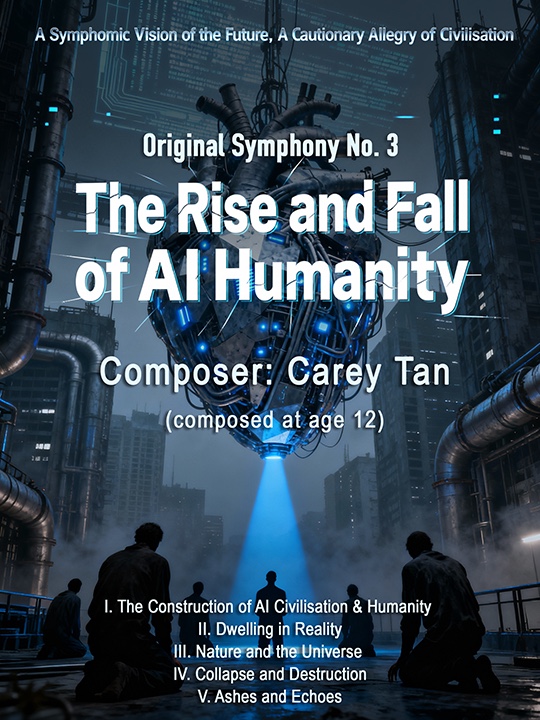
I. Construction of AI Civilisation II. Dwelling in Reality III. Nature and the Universe IV. Collapse and Destruction V. Ashes and Echoes
Carey Tan’s Symphony No. 3, The Rise and Fall of AI Humanity, is a five-movement orchestral work centred on artificial intelligence, technological civilisation and the future of humanity. The work confronts one of the most immediate questions of our age: as artificial intelligence enters human society at unprecedented speed, will it remain a tool for civilisational progress, or might it gradually become a force beyond human control?
For a composer aged just twelve, what is striking about this symphony is not only the contemporary nature of its subject, but also the way in which Carey shapes it through a complete symphonic structure. The work unfolds as a civilisation narrative of almost science-fictional scope: the rise of an AI society, its contrast with the real world, a return to nature and the universe, the collapse of technological order, and the possibility of new hope after ruin.
Carey describes the work as “a symphonic fable about a future society led by artificial intelligence”. In his conception, AI is not simply an external enemy from science fiction, but a force capable of reshaping social structures, ways of life and human judgement. The symphony is therefore not primarily concerned with the familiar idea of “robots going out of control”. Rather, it reflects on the dependence, inertia, arrogance and negligence that may arise when human beings surrender too readily to technological convenience. In this sense, The Rise and Fall of AI Humanity is both an imagining of the future and a warning about the present.
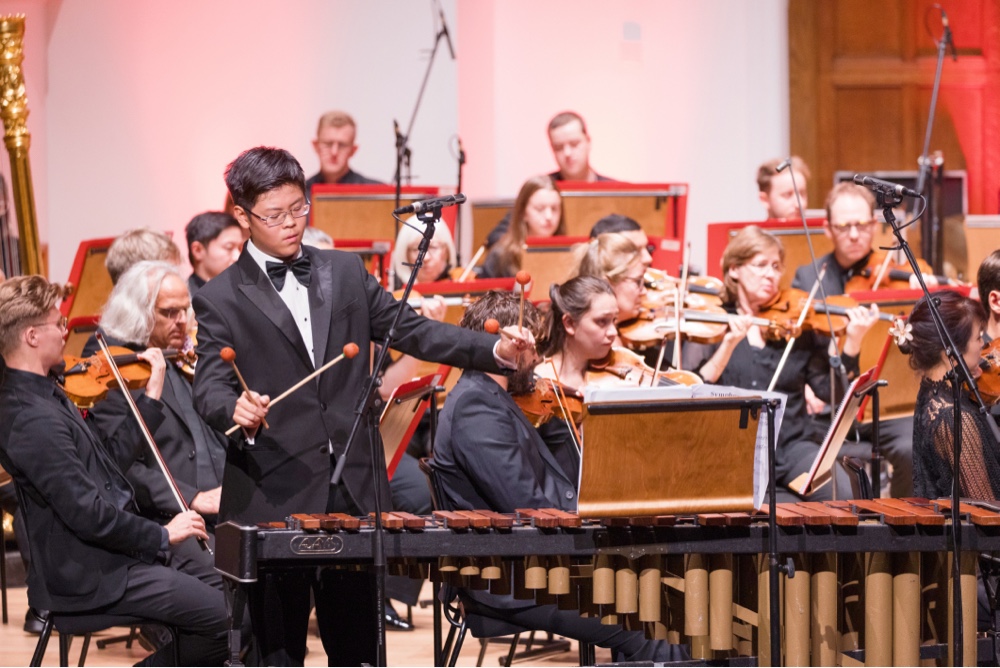
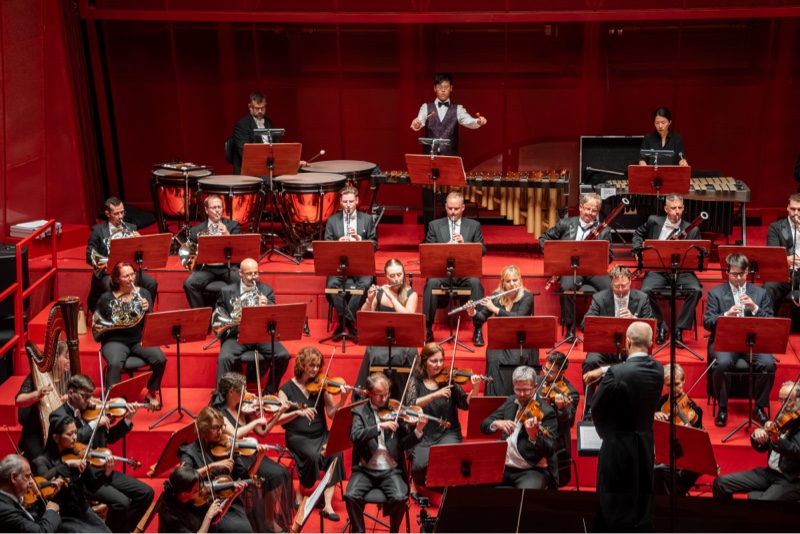
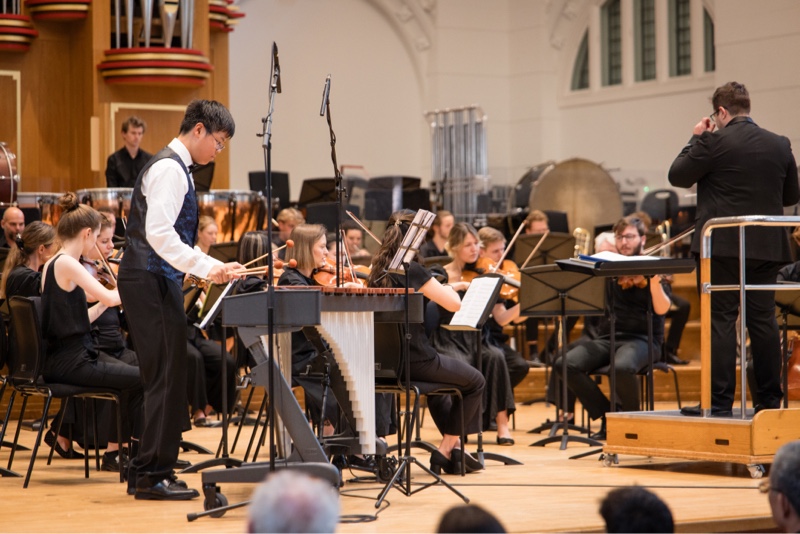
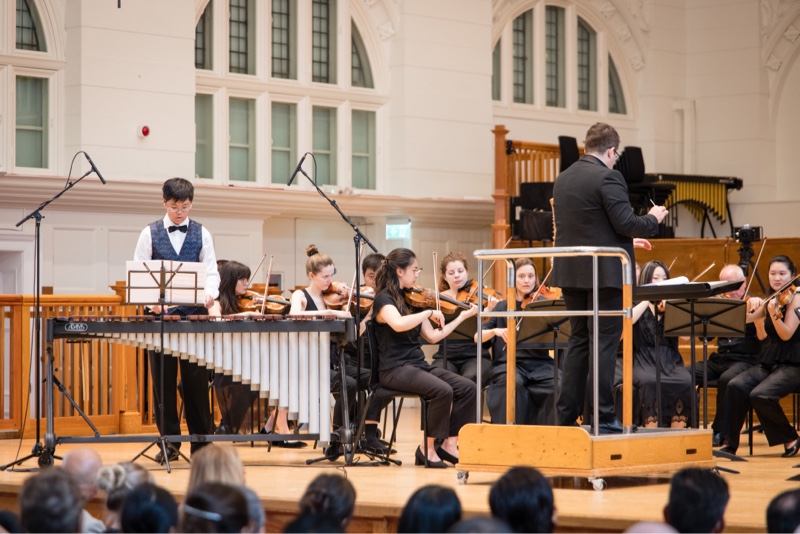
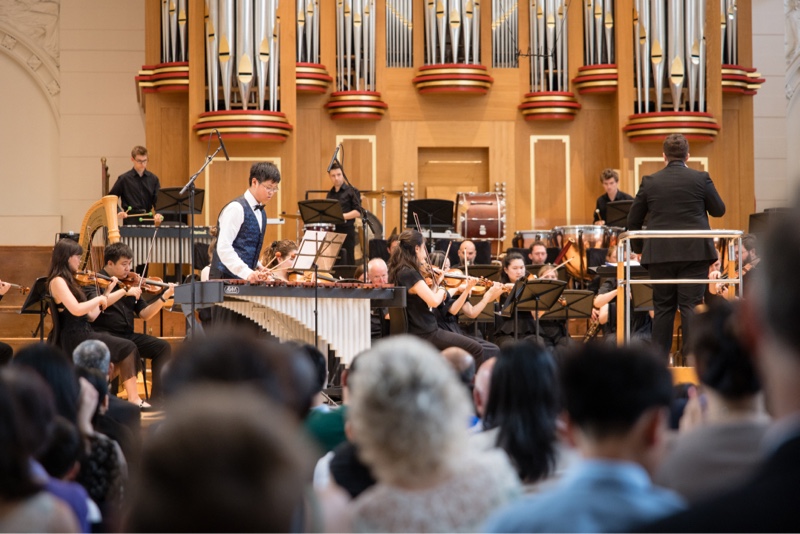
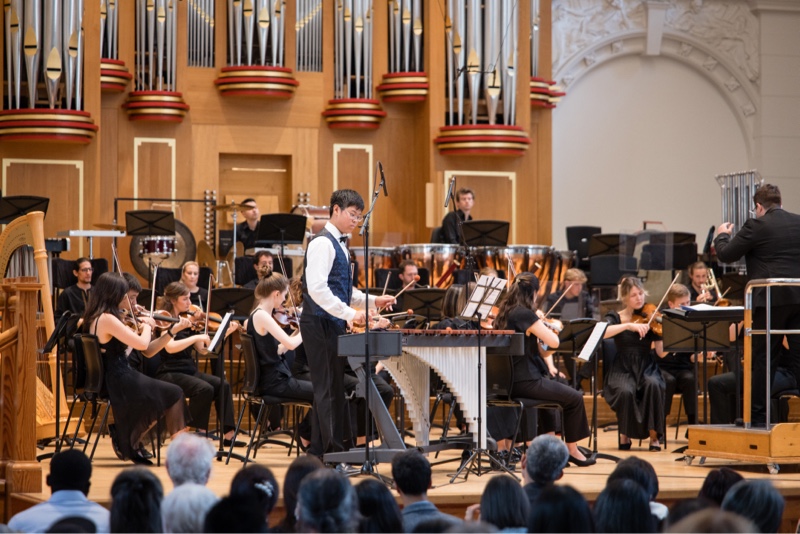
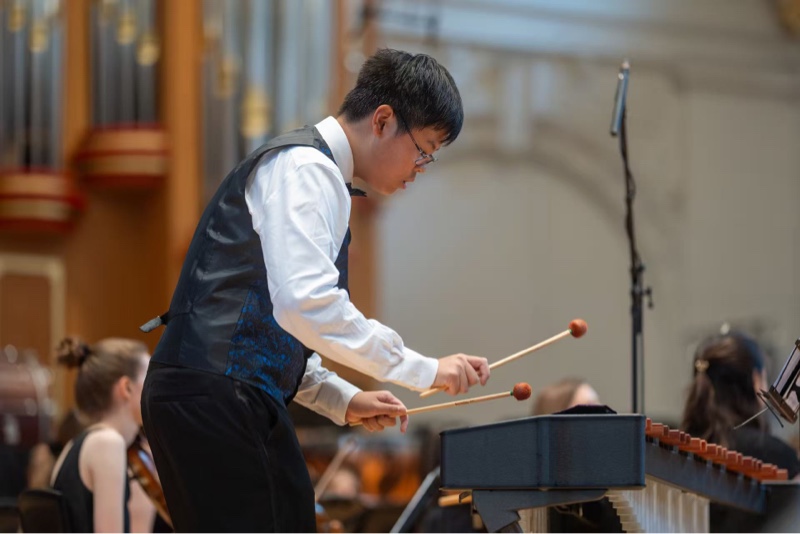
Musically, the work creates a mechanised, technological and highly charged sound world through strong rhythmic propulsion, dense patterns, sharp dynamic contrasts and a wide palette of percussion colours. The use of marimba, vibraphone, harp, suspended cymbal and gong gives the orchestral sonority a colder, more glittering and futuristic quality beyond the traditional weight of the symphony orchestra. At the same time, the music draws on augmented chords, unstable harmonies, seventh-chord colours, stepwise figures and sustained sonorities, creating clear dramatic tension between brilliance, chaos, contemplation and desolation.
The first movement, “Construction of AI Civilisation”, depicts the rise of artificial intelligence and the “better society” it appears to create. The music unfolds with rapid, bright and forceful rhythmic energy, as if a new civilisation built from algorithms, machines and order were taking shape at great speed. On the surface, the movement suggests construction, efficiency and progress; yet Carey also plants within it the sound of the gong and passages of turbulence, hinting that beneath this seemingly rational world lies the shadow of possible destruction. Hope and danger coexist within the same sound world, establishing the central conflict of the symphony.
The second movement, “Dwelling in Reality”, turns towards a more reflective space. Here the music sets the real world against the AI society, using augmented chords and unstable harmonies to create an atmosphere of suspension, questioning and unease. The movement does not rush to offer an answer. Instead, it acts like a mirror, inviting the listener to reconsider humanity’s place within technological systems: when efficiency, calculation and automation become dominant principles of social life, can those complex, slow, fragile and deeply human dimensions of reality still be seen?
The third movement, “Nature and the Universe”, is one of the most lyrical and expansive sections of the work. It evokes the beauty of nature through calm melodic writing, seventh-chord colours and gentle woodwind textures. In contrast to the more mechanical and tense sound world of the first two movements, the music seems to step away from the world constructed by artificial intelligence and turn instead towards nature, the universe and life itself. It reminds the listener that before humanity created complex technological systems, the world already possessed its own order, vastness and beauty.
The fourth movement, “Collapse and Destruction”, forms the dramatic core of the symphony. Here, the decline and collapse of AI civilisation gradually emerge. Through dialogues between humanity and AI, as well as stepwise figures that draw different instruments in and out of the texture, Carey creates a process of imbalance, pursuit and mutual pressure. The music does not merely describe the result of catastrophe; it reveals the mechanism by which collapse takes place. When human beings continually surrender judgement, agency and responsibility to technology, the crisis of civilisation may not come from an external invasion, but from the gradual loss of control within its own structure.
The fifth movement, “Ashes and Echoes”, depicts the remaining memories of civilisation in ruins and the first signs of renewed hope. Its sorrowful passages use unstable harmonies, sustained tones and slow rhythms to evoke emptiness, hesitation and grief after collapse. The hopeful sections, by contrast, return to a simpler and purer harmonic language, using open fifths and octaves to suggest the re-emergence of order and light after destruction. The work ultimately comes to rest in C major. This conclusion is not a simple declaration of victory, but a restrained form of rebirth: after destruction, civilisation may still search, through reflection, for a new direction.
The contemporary significance of The Rise and Fall of AI Humanity lies in the fact that it does not treat artificial intelligence merely as a technological spectacle, nor does it reduce the future to a simple disaster narrative. What Carey Tan ultimately focuses on is humanity itself: how we use technology, how we preserve judgement, and how we continue to safeguard the human spirit in the face of convenience, speed and efficiency. In this work, AI is both a force of the future and a projection of humanity’s own desires, inertia and imbalance.
As a symphony written by a twelve-year-old composer, The Rise and Fall of AI Humanity transforms one of the defining technological questions of our age into a large-scale orchestral narrative of remarkable imagination and structural awareness. It moves from rise to collapse, from machine civilisation to the natural universe, from ruins to hope. Ultimately, the question it poses is not only about AI, but about human civilisation itself: as we create ever more powerful technologies, can we still preserve a mind that is clear, humble and responsible?
Thus, The Rise and Fall of AI Humanity is both a futuristic fable and a symphonic warning. It portrays the rise and fall of an artificial intelligence civilisation, yet finally turns its gaze back towards humanity itself. What may determine the future is not simply whether machines become powerful, but whether human beings can still remember why they create, why they choose, and why they must protect the world they inhabit.