



Compositions title
Works > Symphony No. 2 The Cries of War
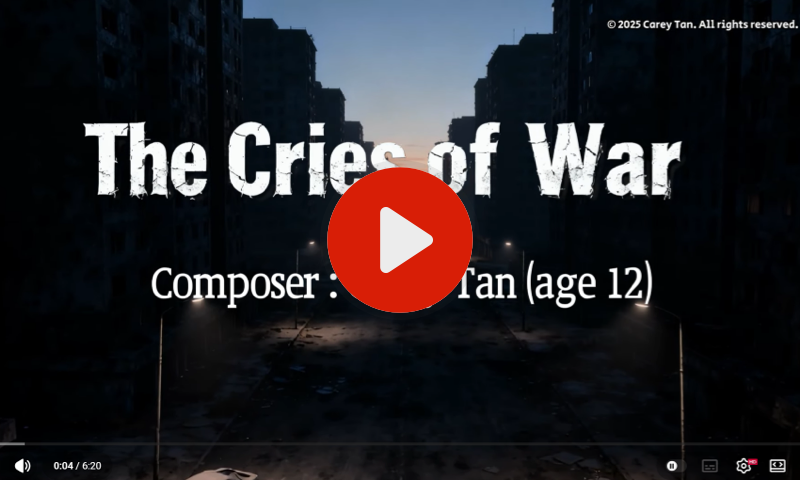
Symphony No. 2 The Cries of War

International Awards
Gold Award in Original Composition, 2025 Global Music Genius Competition
Special Award for Inspirational Creativity Musical Genius, 2025 Global Music Genius Competition
First Prize for Original Composition, 2026 UK International Music Competition

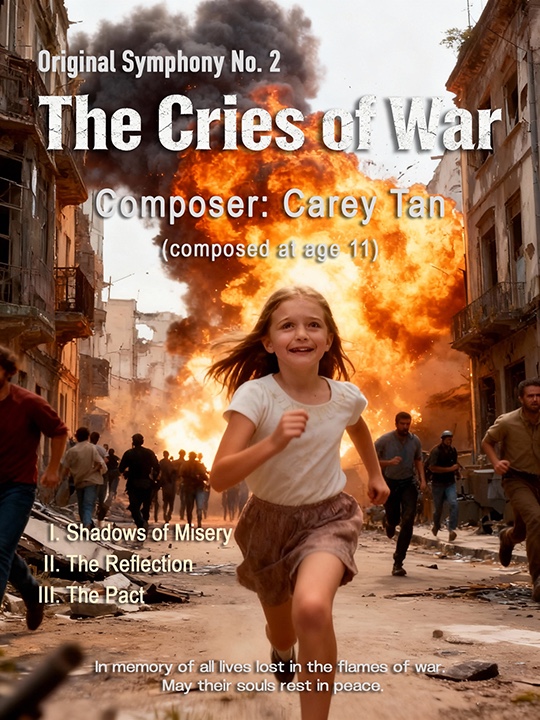
Carey Tan’s Symphony No. 2, The Cries of War, is a three-movement orchestral work centred on war, memory, reflection and peace. Rather than depicting only the external spectacle of the battlefield, the work turns towards the deeper wounds that war inflicts upon society, human life and the human spirit: from collapse and fear, to contemplation in the aftermath of destruction, and finally to a solemn commitment to peace.

For a composer aged just twelve, what is striking about The Cries of War is not only the scale of its subject, but also the maturity it reveals in emotional expression, structural progression and orchestral imagination. In his own note on the work, Carey writes that the symphony portrays “different stages of wars in the past and future”, expressing both his view of war’s destructive nature and his hope for future peace. In this sense, The Cries of War is neither merely an elegy nor a conventional hymn of victory. It is closer to a spiritual journey: from suffering to awakening, from chaos to covenant.

The musical language of the work makes extensive use of dissonant harmony, chromatic motion, sharp dynamic contrasts and tense rhythmic patterns, creating a sound world of unrest, rupture and oppression. Brass and percussion often carry the force of conflict, while the strings, through piercing, trembling or darkly resonant textures, suggest grief, fear and inner struggle. The addition of marimba and harp brings a colder, more transparent colour to the orchestral fabric, at times resembling distant echoes of memory within the weight of the symphonic sonority.

The first movement, “Shadows of Misery”, opens in a heavy and sombre atmosphere. Carey conceives this movement as a vision of a society declining under the shadow of war. Passages of conflict repeatedly collide with moments of mourning and contemplation. Although the movement carries a clear tonal indication, the music does not seek immediate harmonic stability. Instead, through persistent dissonance, unsettled dynamic surges and dark orchestral colour, it creates the sense of a world unable to find true rest. The “shadow” of the title is not only the external shadow cast by war, but also the inner shadow of fear, helplessness and traumatic memory.

The second movement, “The Reflection”, leads the music into a more inward-looking space. Compared with the pressure of the first movement, the dissonance is reduced, the melodic lines become clearer, and the harmonic colour turns softer and brighter. Carey makes greater use of major and minor seventh chords, allowing the music to remain delicately suspended between sorrow and hope. Certain melodies retain a sharp contour, as if the pain of memory has not yet faded; yet they often resolve towards brighter harmonies, suggesting a process in which humanity begins to reconsider life, death, responsibility and choice after catastrophe. The return of a mournful colour at the end of the movement reminds the listener that reflection does not mean the disappearance of pain: true peace must still be sought, protected and earned.

The third movement, “The Pact”, begins amid the remnants of war and disorder. The music is filled with dissonance, diminished-seventh sonorities, chromatic movement and long-sustained tension, as though different voices, memories and positions were engaged in argument. The “pact” suggested by the title is not an easy reconciliation, but a shared will gradually formed after suffering, debate and reflection. As the music progresses, the tense harmonies begin to resolve and the tonal colour grows increasingly bright. Carey understands this process as an ascent from chaos towards joy, from the shadow of war towards a vision of peace. In the end, the music closes in an atmosphere of rising brightness, bringing the symphony to a hopeful conclusion.

The power of The Cries of War lies not only in its symphonic scale, but also in the clarity and sincerity of its moral centre. It allows the listener to hear the rupture caused by war, while also suggesting that light may still remain after reflection. War, in this work, is not merely a historical event or an external disaster; it becomes a mirror, reflecting the moral choices humanity must face in the presence of conflict, fear and destruction.As a symphony written by a twelve-year-old composer, The Cries of War poses a serious and universal question with remarkable emotional directness and structural clarity: when humanity is confronted with the ruins and memories left by war, can it still choose peace, responsibility and hope? The work is both an elegy for those who suffer and a symphonic declaration addressed to the future. It remembers sorrow, but does not remain in sorrow; it looks directly at war, yet ultimately carries the music towards
Creative Experience
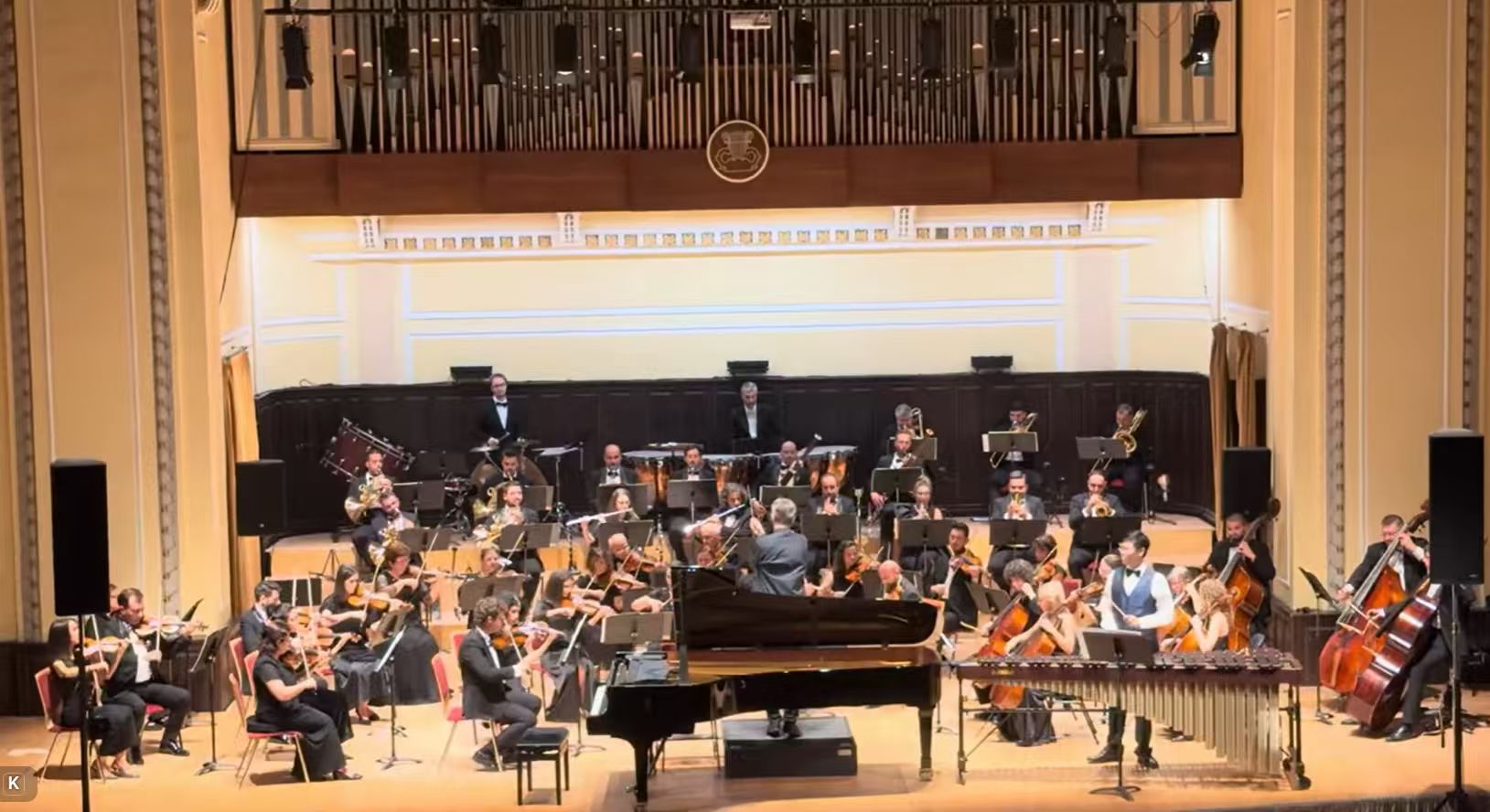
Carey Tan Performs Original Symphony No. 2 “The Cries of War” in Cadogan Hall, London
Top story

Carey Tan Performs Original Symphony No. 2 “The Cries of War” in Cadogan Hall, London

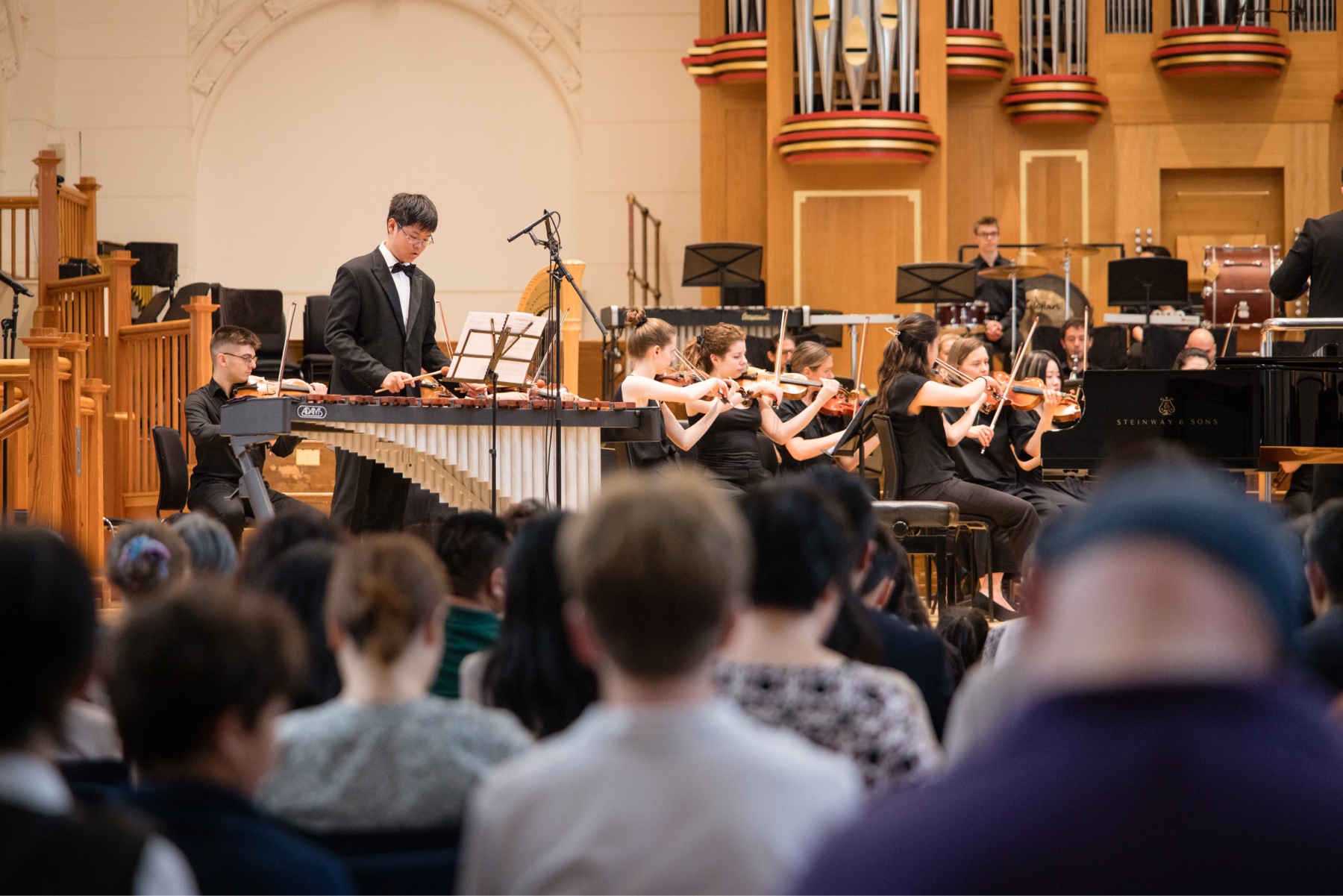
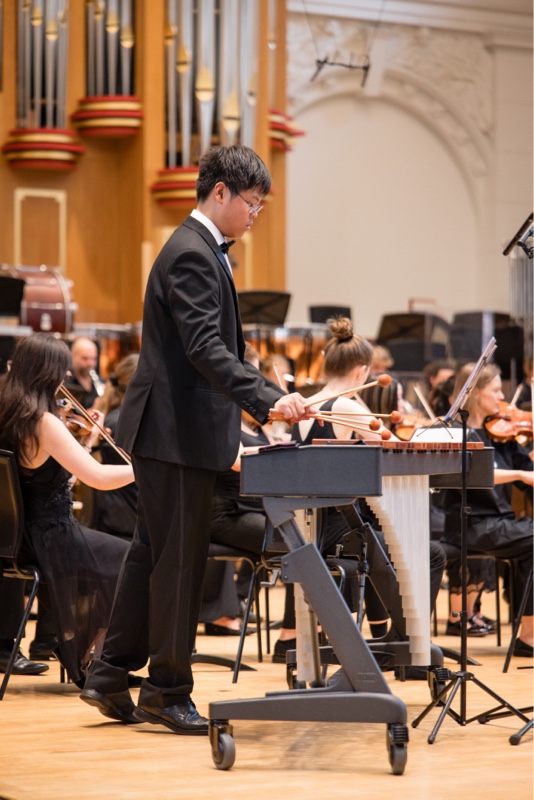
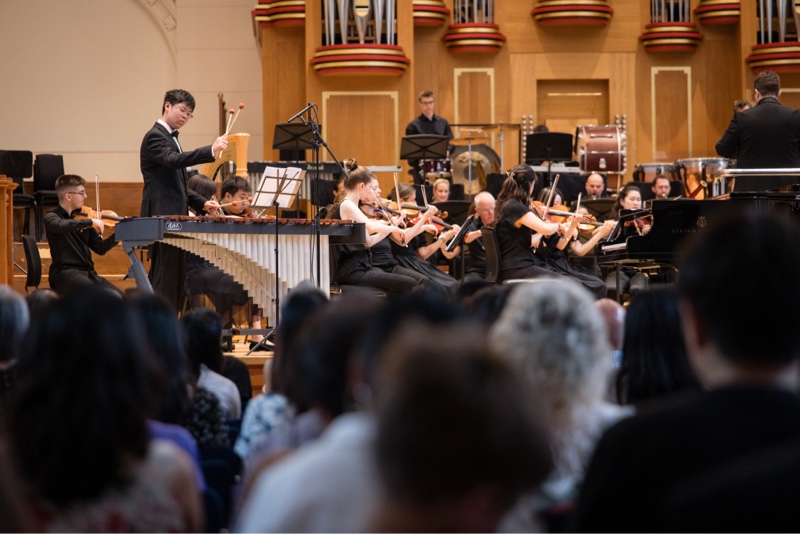
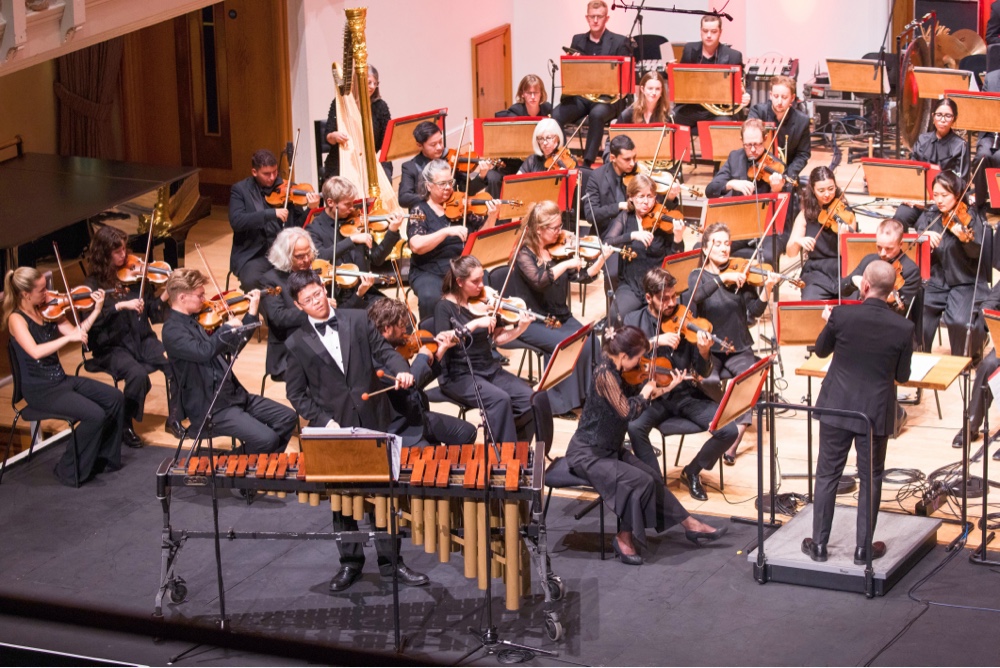
On 7 September 2026, 13-year-old composer Carey Tan performed with the Philharmonia Orchestra under Geoffrey Paterson. Carey also joined the orchestra on marimba. The performance received an exceptionally warm response, with a prolonged standing ovation and many audience members visibly moved, some remaining afterwards to speak with Carey about the work.

Symphony No. 2 The Cries of War
07/09/26
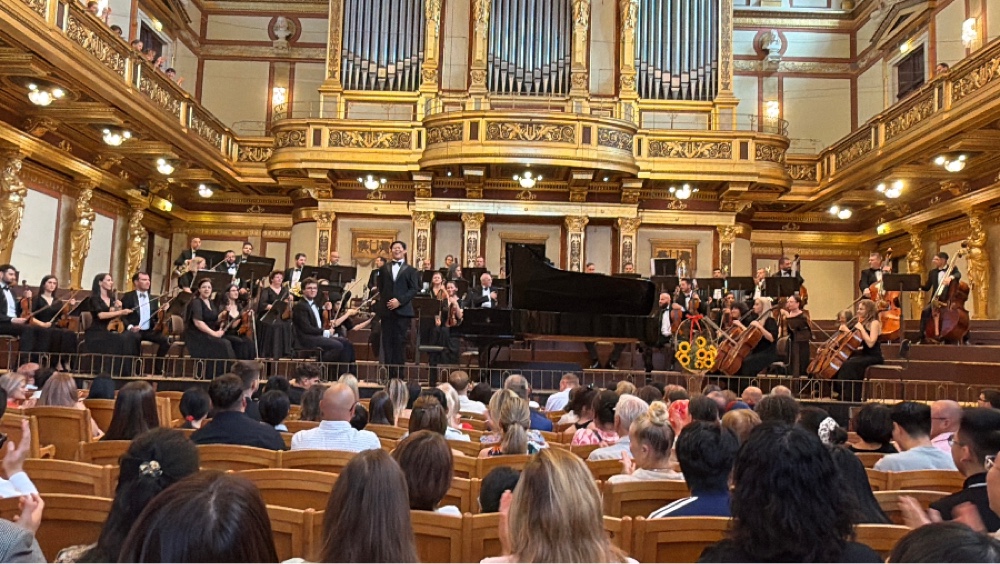
Carey Tan (age 13) Performs Original Symphony No. 2 The Cries of War in Golden Hall, Vienna

Carey Tan (age 13) Performs Original Symphony No. 2 The Cries of War in Golden Hall, Vienna

The Cries of War explores the human suffering caused by war and the journey from fear, loss and conflict towards reflection, understanding and peace. Carey also joins the orchestra on marimba, bringing the work from composition to live performance. Through the symphony, he hopes to tell a story that reaches beyond musical technique, allowing listeners of different backgrounds to connect the music with their own memories, emotions and life experiences.

Symphony No. 2 The Cries of War
15/08/26
 Carey Tan (age 13) Performs Original Symphony No. 2 The Cries of War in Arad Culture Palace, Romania

Carey Tan (age 13) Performs Original Symphony No. 2 The Cries of War in Arad Culture Palace, Romania

On 11 August, Carey Tan performed original Symphony No.2 The Cries of War with Arad Philharmonic Orchestra under the baton of Martin Braun.

Symphony No. 2 The Cries of War
11/08/26
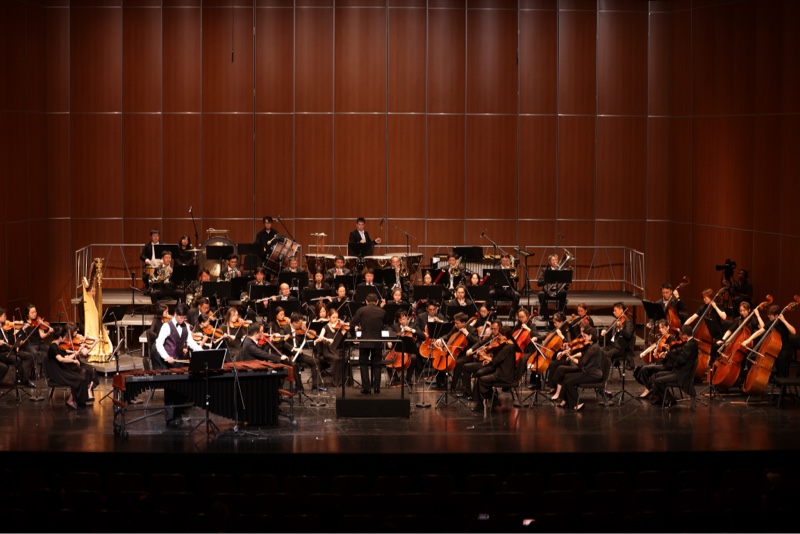
Carey Tan (age 13) Performs Origianl Symphony No. 2, The Cries of War in China National Opera House

Carey Tan (age 13) Performs Origianl Symphony No. 2, The Cries of War in China National Opera House

Carey Tan’s Symphony No. 2 was performed on 24 July 2026 at the China National Opera House in Beijing by the China National Opera House Symphony Orchestra, conducted by Yuan Ding. Part of the Peace and Future Symphony Concert, the work reflects on suffering, compassion, and humanity’s longing for peace. With powerful orchestral writing and marimba colour, it asks whether, after witnessing war, we can still choose restraint, empathy, and hope over violence and despair.

Symphony No. 2 The Cries of War
24/07/26
Symphony No. 2 The Cries of War Introduction--Royal College of Music, London

Symphony No. 2 The Cries of War Introduction--Royal College of Music, London

The Cries of War is a three-movement orchestral work centred on war, memory, reflection, and peace. Rather than merely depicting the outward spectacle of battle, the work reaches into the wounds that war inflicts upon society, life, and the human spirit: from collapse and fear, to contemplation after destruction, and finally to a solemn commitment to peace. For a composer of only twelve years old, the work reveals striking maturity in emotional expression, structural progression, and orchestral imagination.

Symphony No. 2 The Cries of War
01/07/26
Movement 1: Shadows of the Misery

Movement 1: Shadows of the Misery

The first movement unfolds in a heavy and sombre atmosphere, portraying a society gradually deteriorating under the shadow of war. Passages of conflict repeatedly collide with moments of mourning and reflection; persistent dissonances, restless dynamic shifts and dark orchestral colours create a world that can never truly find peace. The “shadows” in the title refer not only to the external shadow cast by war, but also to the fear and helplessness buried deep within the human heart.

Symphony No. 2 The Cries of War
22/06/26
 Movement 2:The Reflection

Movement 2:The Reflection

The second movement, The Reflection, moves into a more inward-looking space. The dissonance is reduced, the melodic lines become clearer, and the harmony turns softer and brighter. Major and minor seventh chords suspend the music between sorrow and hope, as if humanity were reconsidering life, death, and responsibility after catastrophe. Yet the return of a mournful colour reminds the listener that true peace must still be sought and protected.

Symphony No. 2 The Cries of War
21/06/26
Movement 3: The Pact

Movement 3: The Pact

This excerpt is from the third movement, The Pact. The music imagines political leaders gathered after a ceasefire, locked in urgent debate. Each instrument becomes a different voice: one shouting in anger, one thinking in silence, others whispering, interrupting, or negotiat ing in private.Through these vivid instrumental dialogues, Carey portrays the fragile process of compromise — the struggle to balance power, fear, grief, and hope, until the possibility of peace slowly begins to appear.

Symphony No. 2 The Cries of War
20/06/26
Symphony No. 2 The Cries of War Mov1: Shadows of Misery

Symphony No. 2 The Cries of War Mov1: Shadows of Misery

This symphony reflects on conflict, loss, and the longing for peace, and has received multiple Gold Prizes in international composition competitions. The music begins in devastation and anguish, moves through deep reflection, and ultimately turns toward hope, asking whether humanity can preserve empathy and compassion even in the most extreme circumstances.

Symphony No. 2 The Cries of War
30/07/25
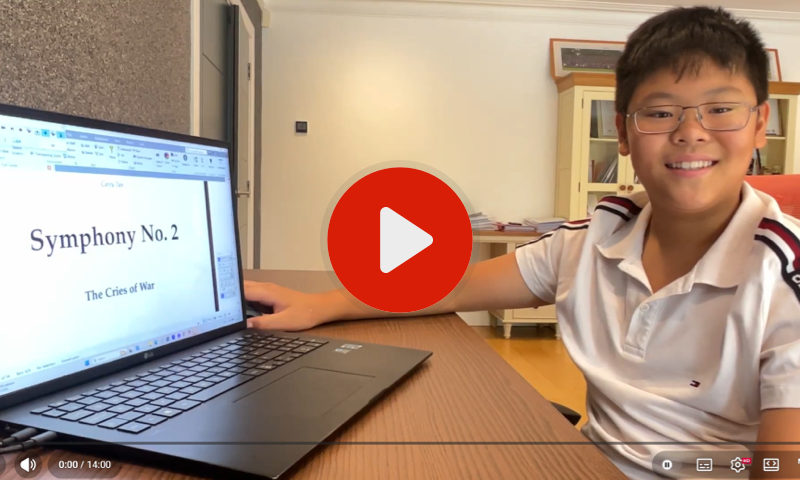
 Carey Tan presents Symphony No.2 The Cries of War

Carey Tan presents Symphony No.2 The Cries of War

Composed at the age of twelve, this symphony reflects on conflict, loss, and the longing for peace, and has received multiple Gold Prizes in international professional composition competitions. The music begins in devastation and anguish, moves through reflection, and ultimately turns toward hope, questioning whether humanity can preserve empathy and compassion even in the most extreme circumstances.

Symphony No. 2 The Cries of War
29/07/25